The T, Jastrow and sine illusions
Up looks longer than across. The bottom curve looks bigger than the top one. And a row of equal bars looks like a mountain range.
The T illusion
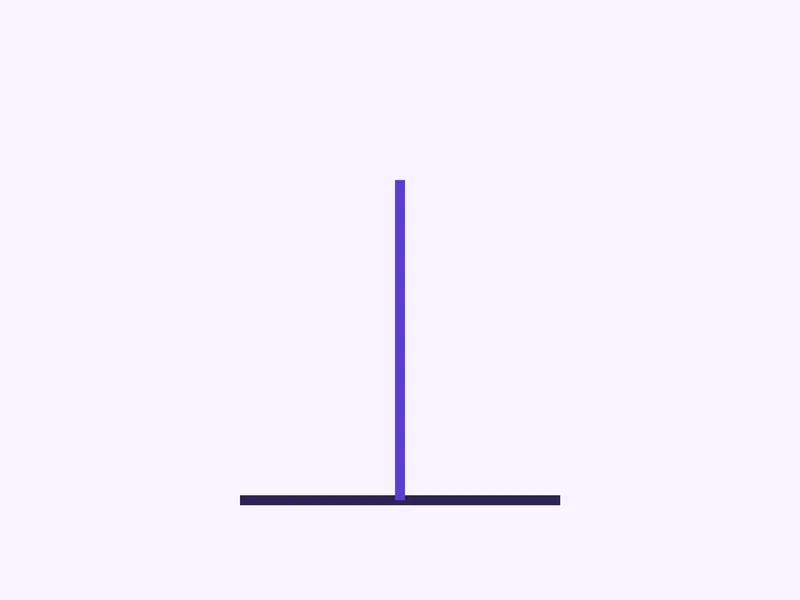
In the T illusion (also called the vertical-horizontal illusion), the upright stroke of an upside-down T looks longer than the crossbar, even when they match. Michael Bach: T-illusion
Size constancy isn’t as good for up-and-down distances: from the top of a tower, people below look tiny, like toys. Michael Bach: T-illusion
The top hat illusion is a version of it: a hat exactly as wide as it is tall looks taller than it is wide. Michael Bach: T-illusion
Johann Oppel wrote about geometric-optical illusions in 1855. Michael Bach: T-illusion
Scientists planned to test the T illusion on a zero-gravity parabolic flight. Michael Bach: T-illusion
The Jastrow illusion
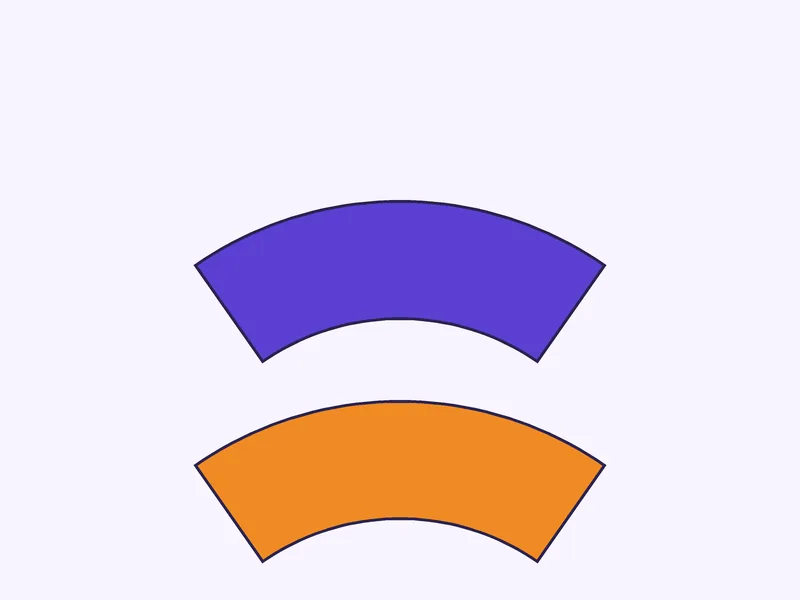
In the Jastrow illusion, two identical curved shapes stacked one above the other look different: the lower one looks bigger. Swap them and the size seems to swap too. Michael Bach: Jastrow illusion
Joseph Jastrow described it in 1891, and it still isn’t well understood. Michael Bach: Jastrow illusion Jastrow’s own explanation: the long edge of the lower shape is compared with the short edge of the upper one. “We judge relatively, even when we most desire to judge absolutely.” Michael Bach: Jastrow illusion
Jastrow also described the famous duck-rabbit picture. Michael Bach: Jastrow illusion Müller-Lyer actually published the same illusion three years before Jastrow. Michael Bach: Jastrow illusion
The sine illusion
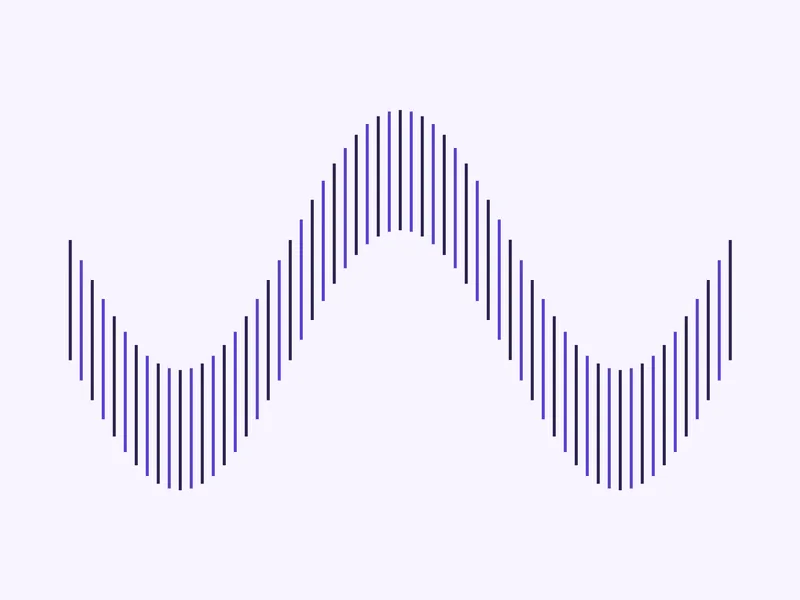
In the sine illusion, upright bars of equal height riding along a wavy line look like they change height. Michael Bach: Sine illusion Robert Day and Erica Stecher described the sine illusion in 1991 and linked it to the Müller-Lyer illusion. Michael Bach: Sine illusion
The same trap catches people reading graphs: the brain judges the shortest distance between two curves, not the vertical distance (Cleveland and McGill, 1984). Michael Bach: Sine illusion
Next: experiments to try →